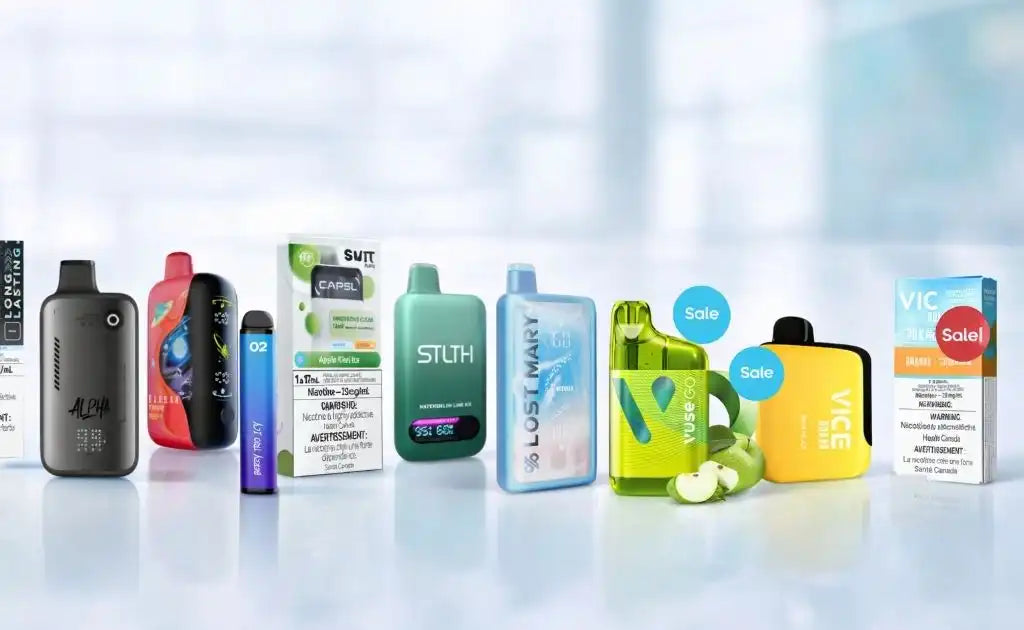



When it comes to taking a vape on a plane, you might have many questions. The rules are not always clear, and misunderstanding them could result in losing your device or facing unexpected delays. Knowing what is allowed before you travel can help you avoid unnecessary problems at the airport.
Here's what you need to know about bringing a vape on a plane in Canada so your gear arrives with you and your trip stays on track. Whether you're a regular user or just bringing one along, understanding the rules around vaping on a plane under CATSA keeps things simple and stress-free.
What Are the Rules for Bringing a Vape on a Plane?
In Canada, the Canadian Air Transport Security Authority (CATSA) sets the rules for what you can bring on a flight. Electronic cigarettes, disposable vapes, and related devices are allowed only in carry-on luggage. Lithium‑ion batteries pose a fire risk, which is why they're prohibited in checked bags. If a battery fails in the cabin, the crew can respond immediately; in the cargo hold, it could go unnoticed until it's too late.
Domestic flights strictly follow these CATSA guidelines. But once you cross into international travel, the rules shift. Different countries have their own laws regarding nicotine; some countries ban vapes entirely, while others limit how much liquid you can carry. Knowing the rules ahead of time means your vape stays with you and your trip stays stress-free.
Why It’s Important to Know the Rules?

Knowing the rules before you fly saves you from delays, confiscation, and fines. Here's why it matters:
- Safe packing: Keep your device secure and prevent accidental activation during transit.
- Battery and liquid compliance: Stay within CATSA limits for vape juice and lithium batteries to avoid security holdups.
- Smooth screening: When your gear is packed correctly, airport staff have fewer reasons to stop and question you.
- Legal awareness: Rules that apply in Canada may not hold at your destination. Knowing the difference keeps you on the right side of the law.
- Less stress: Travel has enough unknowns. Knowing your vape is packed right removes one more worry.
- Faster security lines: Properly prepared vapes move through airport checkpoints quickly. No extra searches, no delays.
- Protect your investment: Expensive devices and vape liquids stay with you when you follow the rules. Non‑compliance means losing them.
Being informed is the difference between a smooth trip and a headache at the gate.
Can You Take a Vape on a Plane?
Yes, you can bring a vape on a plane in Canada, but the rules are specific. According to CATSA, electronic cigarettes, vape pens, mods, and disposables are allowed in carry‑on baggage only. Devices should be turned off, and any spare lithium‑ion batteries must be protected, either in a case or with terminals taped to prevent short circuits. Packing a vape or loose batteries in checked luggage is not permitted due to fire risk.
Airlines may have their own policies, so it's worth checking with your carrier before you fly. Domestic flights follow CATSA rules, but international travel comes with its own restrictions that vary by country.
Key Points for Canadian Travelers
Stick to these basic rules, and you'll move through airports without trouble:
- Carry‑on only: Vape devices and spare batteries must stay with you in the carry‑on baggage, never in checked baggage.
- Battery safety: Removable batteries should be in a protective case or have terminals taped to prevent short circuits.
- Liquid limits: Vape juice must follow the 100 ml / 3.4 oz rule and fit in a clear, resealable bag.
- No vaping on board: Using your device during the flight is strictly forbidden. That includes the lavatories.
Follow these rules, and you'll get through Canadian airport security without issues.
What Are the Restrictions on Vaping Devices?
Some devices receive more security attention than others. Here's what to keep in mind when traveling with vapes:
- Mods or advanced devices: These require extra care. Batteries need to be securely fastened, and the device itself should be packed to prevent accidental activation during flight.
- Disposable vapes: They're allowed, but stick to a reasonable quantity for personal use. A bag full of disposables raises questions you don't want to answer.
- THC-containing vapes: These are illegal on domestic flights and banned in many international destinations. Even in places where cannabis is legal, crossing borders with it is a federal offense.
Following device-specific rules keeps your device with you and avoids complications when you travel with vape equipment. Whether you're carrying disposables or advanced mods, knowing the rules for vapes on planes makes all the difference.
Traveling Internationally with Vapes
Flying internationally adds complexity. While CATSA allows vapes in Canada, your destination may have different vaping restrictions.
For example:
- United Arab Emirates: Legal for personal use. E‑liquids must comply with local limits (20mg/mL maximum nicotine) and follow carry‑on liquid rules. Vaping is banned in public indoor spaces, malls, and on public transport.
- Australia: Australia has strict import rules for nicotine vapes. Travelers can bring up to 2 vapes (disposable or reusable) and 200mL of e‑liquid, but only with a valid prescription from an Australian doctor. Bringing them without a prescription is illegal and can result in heavy fines or confiscation.
- Singapore: Vaping is completely banned. Bringing a vape into the country can result in fines up to $10,000, and repeat offenders risk deportation and re‑entry bans.
- Thailand: Vaping is completely banned. Importing, possessing, or using e‑cigarettes or vapes is illegal for everyone, including tourists. Bringing a vape on a flight to Thailand can result in confiscation, heavy fines, or imprisonment for up to 10 years.
- Mexico: The transport of e‑cigarettes on flights departing from or arriving in the country is prohibited.
Before you fly, research the laws at your destination. When in doubt, declare your devices at customs. A little transparency upfront can save you from fines, confiscation, or worse.
Special Cases: THC and CBD Vapes
Not all vapes are treated the same. THC and CBD vapes come with their own set of rules, and traveling with vapes containing these substances can lead to serious trouble.
- Domestic flights in Canada allow CBD vapes if purchased from a licensed retailer and kept within legal possession limits. THC vapes are another story; they remain illegal under federal law, even if cannabis is legal where you live. Attempting to bring THC on a flight can lead to confiscation, fines, or legal action.
- International travel changes everything. Crossing borders with any cannabis product, including CBD, is strictly prohibited. Even if CBD is legal at your destination, carrying it across international lines is risky. Countries like Singapore, the UAE, Japan, and Indonesia enforce zero-tolerance policies with severe penalties.
The safest approach? Leave THC and CBD vapes at home entirely. Stick to nicotine devices when flying, and you'll avoid questions you don't want to answer.
How to Pack Your Vape for Flights
To get through security without issues, follow these packing guidelines:
Vape Devices
- All devices, be they reusable or disposable, go in your carry-on bag only.
- Switch them off before packing to prevent accidental activation.
- Remove pods or tanks to avoid pressure‑related leaks during flight.
Vape Batteries
- Spare lithium batteries must also stay in your carry-on.
- Keep terminals from shorting by using a battery case, leaving them in original packaging, or covering them with electrical tape.
- Most vape batteries are under 100 watt‑hours (Wh). If yours are between 100–160Wh, you'll need airline approval. Anything above 160Wh is entirely banned on flights.
E-Liquids
- Vape juice follows standard liquid rules: each bottle is 100ml (3.4 oz) or less.
- All bottles must fit inside one clear, quart‑sized, resealable plastic bag.
- Larger bottles won't pass security; leave them at home or pack them in checked luggage only if your airline allows it.
Pack this way, and your vape in luggage clears security without delays.
What Are the Consequences of Not Following the Rules?

Ignoring CATSA and airline rules when you travel with a vape device can lead to more than just a warning. Here's what can happen:
- Confiscation: Security can take your device or vape juice at the checkpoint. Once it's gone, you're not getting it back.
- Delays: An extra security check can cost you precious time. If it causes you to miss your flight, your whole travel plan unravels.
- Fines: Airlines and customs authorities can impose penalties, especially if you're flying internationally with prohibited items.
- Travel restrictions: Some countries will deny you entry entirely if you're carrying prohibited vaping devices.
- Extra scrutiny: Once you're flagged, future trips may mean more questions, more bag checks, and more stress.
Following the rules keeps your gear with you and your trip on track. When it comes to vapes on planes, compliance is what gets you through without trouble.
Fly Smart, Vape Ready
Traveling with a vape doesn't have to be complicated. Keep your device in your carry‑on, follow liquid limits, secure your batteries, and check the rules at your destination. A little prep upfront means no delays, no confiscations, and no last‑minute surprises at security.
Stock up before your trip at Hazetown Vapes. Find everything you need: disposables, e‑liquids, and gear from top brands, with fast shipping across Canada.
Frequently Asked Questions (FAQs)
How many vapes can you take on a plane?
You can carry multiple devices, including e-cigarettes, mods, and disposables, in your carry-on as long as each complies with CATSA's battery and liquid rules. Stick to a reasonable quantity for personal use. A bag full of disposables intended for resale will raise questions at security.
Can CATSA tell if a vape is THC?
While security officers aren't actively testing for THC, if your device contains cannabis products, it's illegal on domestic flights and will be confiscated. Even CBD vapes with trace amounts of THC can be flagged, especially on international routes where penalties are severe. The safest approach is to leave them at home entirely.
How many disposable vapes can I bring on a plane?
CATSA doesn't set a specific limit for personal-use disposables. Keep them in their original packaging if possible, ensure they're powered off, and carry only what you'd reasonably use during your trip. Excessive quantities trigger additional screening and could suggest commercial intent to customs officers
Can we carry vape in international flights?
Nicotine vapes are generally allowed, but destination rules vary widely. Some countries ban them outright, with fines of up to $10,000 or more. Others limit nicotine strength to 20mg/mL or restrict quantities. Research your destination's laws before flying and declare your device at customs if required.